Adaptogenic and Tonic Herbs, Functional Mushrooms, and Master Formulas
The term adaptogen comes from the root word for adaptation—a reflection of its core function. Adaptogenic and tonic herbs—including select plants, functional mushrooms, and compounds like Shilajit and Deer Antler Velvet—are a specialized class of herbal therapeutics known for their ability to regulate the body's stress response.
Adaptogens work by supporting the endocrine and nervous systems, promoting homeostasis, and modulating cortisol and other stress-related hormones. Many also directly influence immune function, while all adaptogens contribute to immune regulation by enhancing the body’s resilience to stress. Since both stress and its frequent companion—poor sleep—undermine immune health, adaptogens play a crucial role in fostering overall well-being.
Unlike stimulants—including stimulating herbs—adaptogens do not simply provide a temporary surge of energy. Instead, they help the body adapt to physical, mental, and environmental stressors over time, fostering sustained vitality and balanced energy rather than empty stimulation.
Ethnobotanical Roots
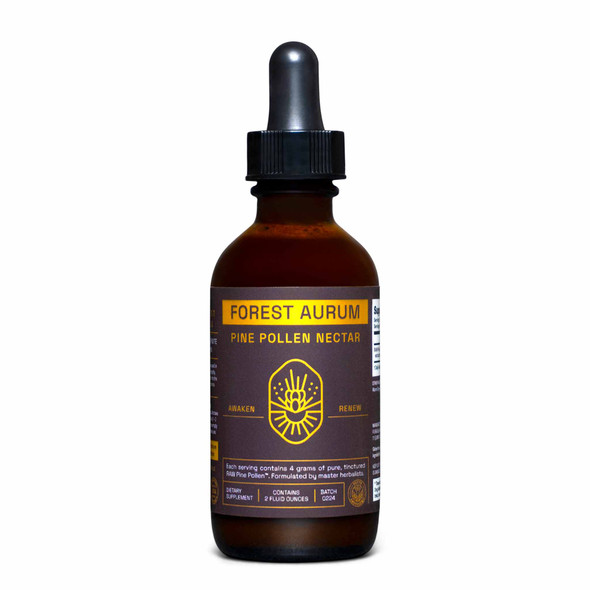
Adaptogenic herbs have been used since antiquity. The first written documentation of herbs with adaptogenic properties—though not yet called by that name—appears in the Shénnóng Běn Cǎo Jīng (The Divine Farmer’s Materia Medica, circa 200 CE), one of the earliest recorded herbal pharmacopoeias of Chinese medicine. In this text, the classification of Superior Herbs (Shàng Pǐn) closely aligns with the contemporary concept of adaptogens, describing herbs that promote longevity, strengthen the body, and that can be taken regularly without harmful effects. This is where we find early recorded use of herbs such as Huáng Qí (Astragalus membranaceus), Rén Shēn (Panax ginseng / Chinese Ginseng), Ròu Cōng Róng (Cistanche spp.), and Sōng Huā Fěn (Pine Pollen).
Similarly, in Ayurvedic tradition, the concept of Rasāyana (रसायण) most closely corresponds to adaptogens. Rasāyana herbs are have similartly been used since time immorial for their renewing and longevity-promoting properties. It is within Ayurvedic tradition that we find the earliest documented use of Ashwagandha (Withania somnifera) and Shilajit (Asphaltum punjabianum), both of which have since been studied for their adaptogenic potential.
Contemporarty Understanding
The term adaptogen was first coined in 1947 by Russian scientist Nikolai V. Lazarev, a pharmacologist studying substances that could enhance the body's resistance to stress.
Linguistically, adaptogen is derived from the Latin word adaptare, meaning "to adjust" or "to fit." The suffix -gencomes from the Greek -genēs, meaning "producing" or "generating." Thus, the word adaptogen literally means "something that generates or promotes adaptation."
- Adapt- (adaptare = "to adjust, fit to")
- -gen (-genēs = "producing, generating")
Lazarev defined adaptogens as compounds that increase an organism’s "state of nonspecific resistance" to stressors.
The 1960s saw further advancements in adaptogen research, particularly in support of cosmonauts during the space race. Dr. Israel Brekhman, another Soviet scientist, conducted extensive studies on adaptogenic herbs, focusing primarily on Eleuthero (Eleutherococcus senticosus). Brekhman expanded on Lazarev's definition and established three key criteria for an adaptogen:
- It must be non-toxic and safe for long-term use.
- It must enhance the body's resistance to stress—whether physical, chemical, or biological.
- It must have a normalizing effect on physiology, helping to restore balance regardless of whether a system is overactive or underactive.
There is a clear alignment between Brekhman’s criteria for adaptogens and the defining characteristics of Superior Herbs (上品, shàng pǐn) in the Shénnóng Běn Cǎo Jīng. These herbs were classified as those that:
- Support longevity
- Strengthen the body
- Can be taken regularly without harm
Though recognized for centuries, adaptogens are particularly well-suited to the challenges of modern life. From the pressures of economic and political instability to the widespread presence of endocrine disruptors in the environment, adaptogens help the body regulate stress, build resilience, and restore balance—supporting long-term health and well-being. By modulating the body’s stress response, they promote a more efficient allostatic adjustment to both internal and external stressors, helping to sustain energy and preserve the body’s foundational reserves (Yuán Qì).
Key Adaptogenic and Tonic Herbs
From Classical and Traditional Chinese Medicine (CCM and TCM):
- Hé Shǒu Wū (Polygonum multiflorum): Traditionally used to nourish Liver Yīn (Gān Yīn, 肝阴) and Kidney Yīn (Shèn Yīn), support Jīng (essence), and promote healthy aging and hair.
- Gǒu Qǐ Zǐ (Lycium barbarum, Goji Berry): A well-known tonic herb for nourishing Liver Blood (Gān Xuè), supporting eye health, and enhancing vitality.
- Bái Zhú (Atractylodes macrocephala, Atractylodes): A classic Spleen Qì (Pí Qì) tonic, supporting digestion, energy levels, and immune function.
- Huáng Jīng (Polygonatum sibiricum): Used to replenish Qì and Yīn, nourish the Spleen (Pí), and strengthen Kidney (Shèn) function. Here, the tonal mark on Shèn (肾), the Pinyin for Kidney, distinguishes it from Shén (神), which refers to the Heart and spirit.
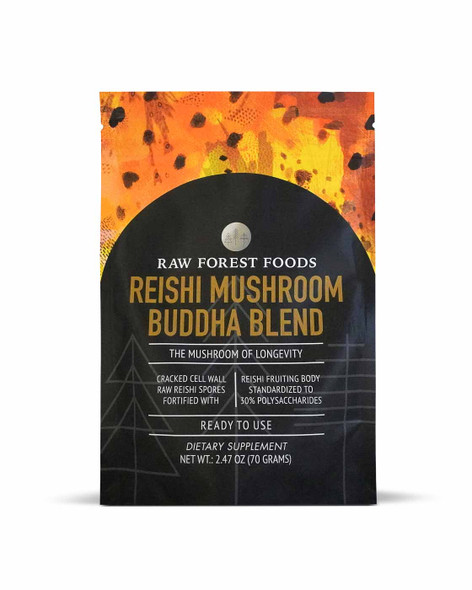
- Líng Zhī (Ganoderma lucidum, 灵芝, Reishi Mushroom): Revered in Traditional Chinese Medicine as the Mushroom of Immortality, Líng Zhī is used to calm the spirit (Shén), nourish Heart Blood (Xīn Xuè), support immune function, and enhance longevity and resilience.
From Ayurveda:
- Safed Musli (Chlorophytum borivilianum): A highly valued Rasāyana herb for enhancing stamina, supporting reproductive health, and promoting overall vitality.
- Guduchi (Tinospora cordifoliaची) – Often called Amrita, meaning nectar of immortality, used for immune support, vitality, and stress adaptation.
- Bala (Sida cordifolia): Used for strengthening the nervous system, rejuvenation, and enhancing stamina.
From Southeast Asian & Other Traditions:
- Tongkat Ali (Eurycoma longifolia): A well-known Southeast Asian proandrogenic adaptogen traditionally used to support energy levels, stress adaptation, and male reproductive health. Some studies suggest it may support androgenic hormone levels by influencing testosterone production.
- Rhodiola (Rhodiola rosea): An adaptogen native to cold regions (Siberia, Tibet, Scandinavia) used to enhance physical endurance, mental clarity, and resistance to stress.
- Maca (Lepidium meyenii): A Peruvian root used for endocrine health, endurance, and overall vitality.
- Chaga (Inonotus obliquus): A functional mushroom traditionally used in Siberian, Scandinavian, and Indigenous healing systems to support immune function, cellular health, and overall resilience. Rich in antioxidants, beta-glucans, and adaptogenic compounds.
Using The Guidebook
The Adaptogenics and Tonics Guidebook highlights key herbs and functional mushrooms that exemplify the core principles of adaptogens: supporting homeostasis, enhancing resilience to stress, and promoting long-term vitality.
Adaptogenic and tonic herbs, long valued in Classical Chinese Medicine (CCM), Traditional Chinese Medicine (TCM), Ayurveda, and other herbal traditions, align with the criteria established by Brekhman’s adaptogenic research and the Superior Herbs described in the Shénnóng Běn Cǎo Jīng.
By nourishing Qì, Yīn, and Jīng, regulating the body's stress response, and fortifying endocrine and immune function, these herbs exemplify the adaptogenic and tonic principles that have been recognized across cultures for centuries.
This guidebook is not intended to diagnose, treat, or prevent any disease or ailment but serves as an educational resource, deepening the understanding of herbal traditions and their role in promoting long-term well-being.